
Ethnobridging
Ethnobridging studies help researchers understand how investigational medications may affect people from different ethnic backgrounds. These studies are an important part of global medication development, helping to ensure that potential new treatments are safe, effective, and appropriately dosed across diverse populations.
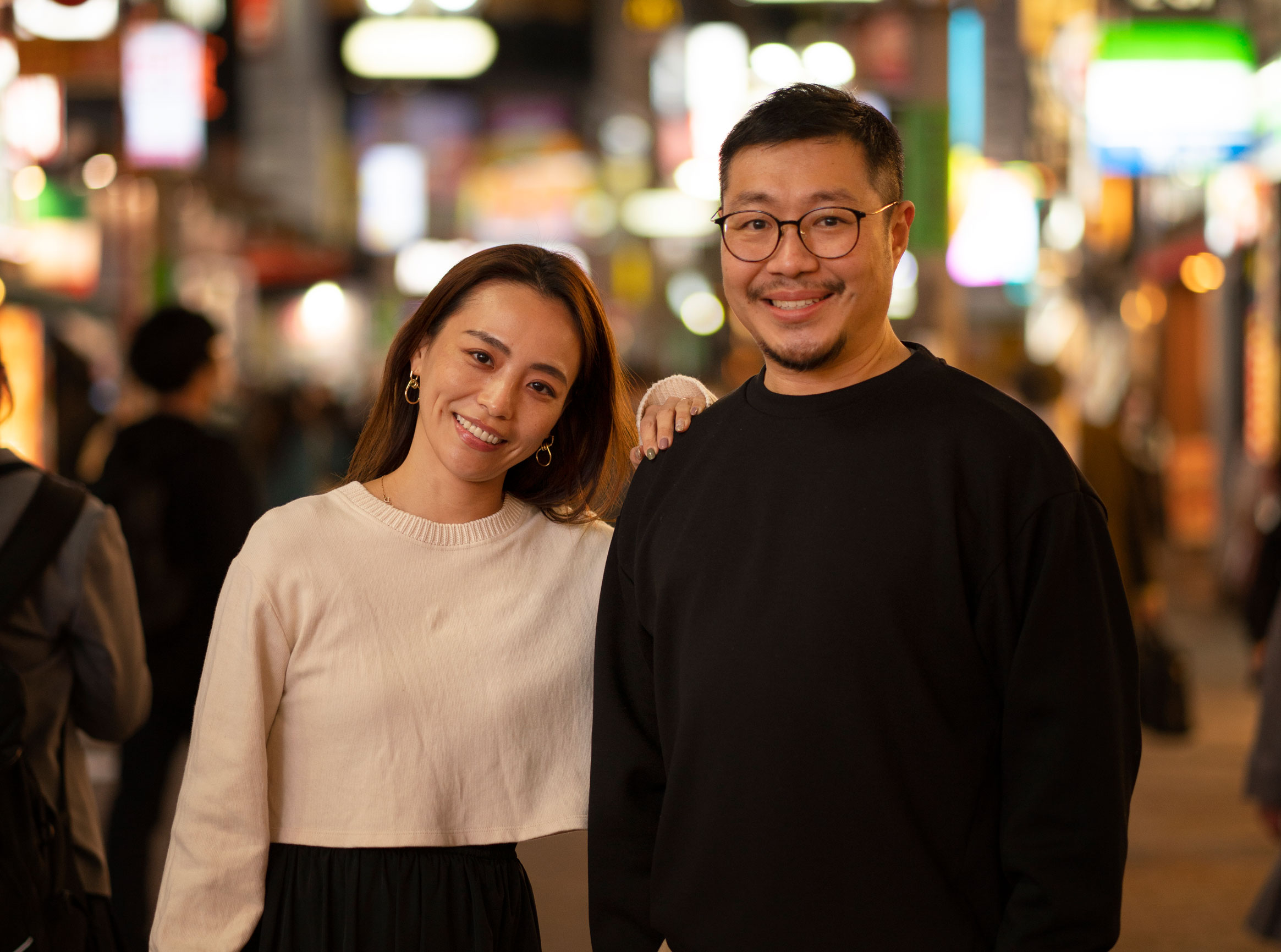
At Trialmed, we prioritize participant safety, comfort, and understanding, ensuring that every volunteer is supported throughout the study experience. Ethnobridging research often focuses on differences in how the body processes investigational medications, such as how a study drug is absorbed, distributed, metabolized, and how the body responds to it. Trialmed currently focuses on Japanese and Chinese populations, helping generate data that supports international regulatory requirements and expands access to potential new therapies worldwide.
We conduct clinical trials designed to evaluate how potential treatments perform across specific populations while prioritizing participant safety, comfort, and cultural considerations. Our team supports participants throughout the research process with clear communication, culturally sensitive care, and a strong focus on safety, comfort, and overall well-being.
Active ethnobridging studies.
-
Volunteers of Asian descent
-
Age: 18-99
-
Sex: F or Non-child-bearing F or M
-
BMI: 18-32
-
Not currently smoking
-
Flexible start date
-
Compensation varies by study
-
Volunteers of Asian descent
-
Age: 18-99
-
Sex: F or Non-child-bearing F or M
-
BMI: 18-32
-
Not currently smoking
-
Once enrolled, the study requires multiple follow up visits
-
Flexible start date
-
Compensation varies by study
Interested in more ethnobridging studies?
FAQs
A Japanese or Chinese ethnobridging clinical trial is a study where participants from these specific ethnic backgrounds join to help determine if the study drug data can apply globally—often speeding approval without separate trials in Japan or China.
Ethnobridging studies help bring potential new treatments to global communities faster by gathering drug response data in the U.S., reducing the need for separate trials abroad, and potentially shortening approval times with the FDA or Japan’s Ministry of Health.
These trials let researchers fine-tune drug dosing and safety for Japanese or Chinese populations, ensuring the potential new treatments are effective across different groups worldwide.
Yes, all studies follow strict regulatory standards (e.g., FDA guidelines). Your safety is a top priority, and you may withdraw at any time.
Eligibility depends on the specific trial. Some may require first- or second-generation participants or certain dietary habits. Each study’s criteria—like age, health, or lifestyle—are unique.
You can complete a form on our webpage or reach out directly to our clinical trial recruitment team.
Yes, qualified participants are typically compensated for their time/travel. The amount is determined by each study design and will be discussed during the screening process.
You’ll attend scheduled appointments for tests and monitoring. We’ll explain procedures in detail, and you’ll have full support along the way. You can leave at any time if you choose.
By joining, you may contribute to advancing therapies for your community and others around the world, gain health insights, and be compensated for your participation.
Your involvement helps ensure potential new medicines are tested for diverse populations, meaning safer, more effective potential new treatments for future generations—both locally and globally.
Key conditions.
Overall Healthy
No chronic conditions, No prescription meds, Minimal or no drug and nicotine use
Japanese Volunteers
Some studies require 1st, 2nd, or 3rd generation Japanese volunteers
Chinese Volunteers
Some studies require 1st, 2nd, or 3rd generation Chinese volunteers
Lifestyle factors
Some studies require volunteers to have certain lifestyle or diet, to improve data quality